Posted on 10th May 2026
This Mental Health Awareness Week, the Association of British Riding Schools is proud to highlight the powerful impact of equine assisted wellbeing through one of our member centres, Team Tutsham Academy. As the first centre to take up our new membership tier for Equine Assisted Services, Team Tutsham is leading the way in demonstrating how horses can play a vital role in supporting mental health.
This case study shares the journey of a young person who, following a traumatic experience during the COVID 19 lockdown, became unable to leave their home for nearly three years. The outside world felt overwhelming and unsafe, resulting in severe anxiety, isolation, and complete disengagement from education. Their confidence was extremely low, and even the thought of entering a new environment or interacting with others felt unmanageable.
A collaborative, carefully paced plan was developed to support reintegration, with a strong focus on emotional safety, consistency, and trust. Initial engagement was limited to video calls and short, supported visits, laying the foundation for gradual progress.
A significant turning point came with the introduction of equine assisted wellbeing. The calm, non judgemental nature of the equine environment offered a unique therapeutic space where connection could develop naturally and without pressure.
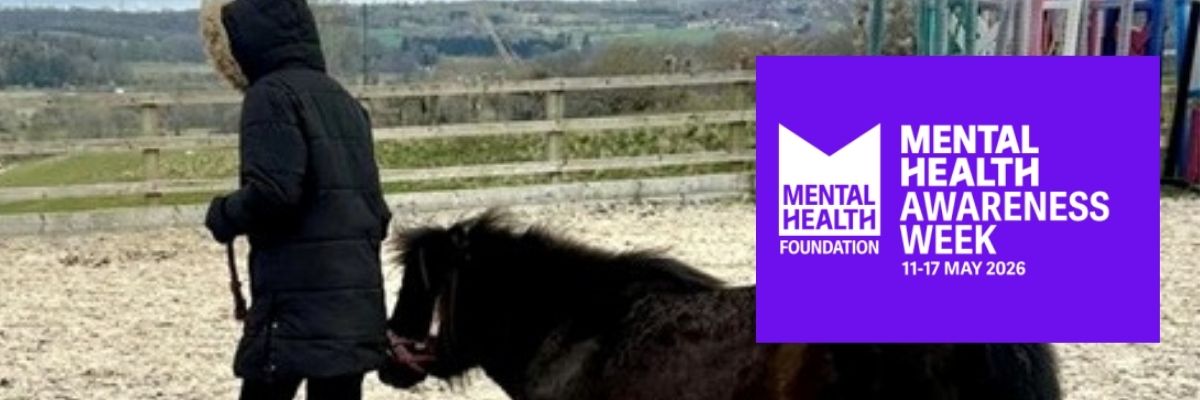
At the centre of this journey was a miniature Shetland pony named Mouse. With an independent and naturally aloof temperament, Mouse allowed the young person to engage at their own pace. There was no expectation of immediate interaction, which helped reduce anxiety and build confidence in a way that felt safe and manageable.
Everyday activities such as grooming became meaningful therapeutic experiences. The repetitive, rhythmic motion supported emotional regulation and helped reduce anxiety, while safe physical contact encouraged grounding and awareness. Horses are highly sensitive to human emotion, and Mouse provided immediate, non verbal feedback through subtle changes in behaviour. This enabled the young person to better understand their own emotions and develop self regulation skills in a way that traditional approaches had not achieved.
The equine setting also reduced social pressure. Working side by side, with the focus on the pony rather than direct interaction, made communication feel less overwhelming. Over time, trust developed and the young person began to open up, sharing their experiences and challenges.
Caring for Mouse fostered a sense of responsibility, purpose, and achievement. Structured tasks such as grooming, leading, and feeding provided clear, manageable goals, helping to rebuild self esteem and confidence after a prolonged period of isolation.
Although the young person was initially unable to attend school, their connection with the animals created an important bridge. A simple task, collecting apples from a tree on the school grounds for the horses, provided a meaningful and motivating reason to visit. This reframed the school environment as a place of contribution rather than anxiety.
The first visit lasted just five minutes, but it marked a crucial step forward.
Gradually, these visits increased. Familiarity replaced fear, and confidence began to grow. The emotional regulation skills developed through working with the horses began to transfer into other areas of life, including spending time around others and rebuilding social connections.
Within nine months, the young person returned to full time education. This outcome reflects not just improved attendance, but a significant and lasting improvement in mental health, confidence, and overall wellbeing.
Equine assisted services were central to this transformation. By combining physical activity, emotional connection, and sensory regulation, Team Tutsham Academy created a safe and effective pathway for recovery.
As the first centre to adopt the Association of British Riding Schools Equine Assisted Services membership tier, Team Tutsham Academy exemplifies the potential of this approach. Their work highlights how equine assisted interventions can provide meaningful, life changing support for young people experiencing complex mental health challenges.
This Mental Health Awareness Week, we recognise the importance of innovative, compassionate approaches that meet individuals where they are. Equine assisted services offer not just support, but the opportunity to rebuild confidence, connection, and hope.
Sometimes, the first step back into the world begins with the quiet presence of a horse.